Quick answer
Shark cage diving near Cape Town operates from Kleinbaai Harbour in Gansbaai, with departures available daily between 07:00 and 18:00. The standard adult dive costs 2,700 ZAR and includes all equipment, wetsuit, and light refreshments. Early morning slots between 07:00 and 08:00 offer the calmest sea conditions and highest shark activity, making them the preferred departure window for first-time divers.
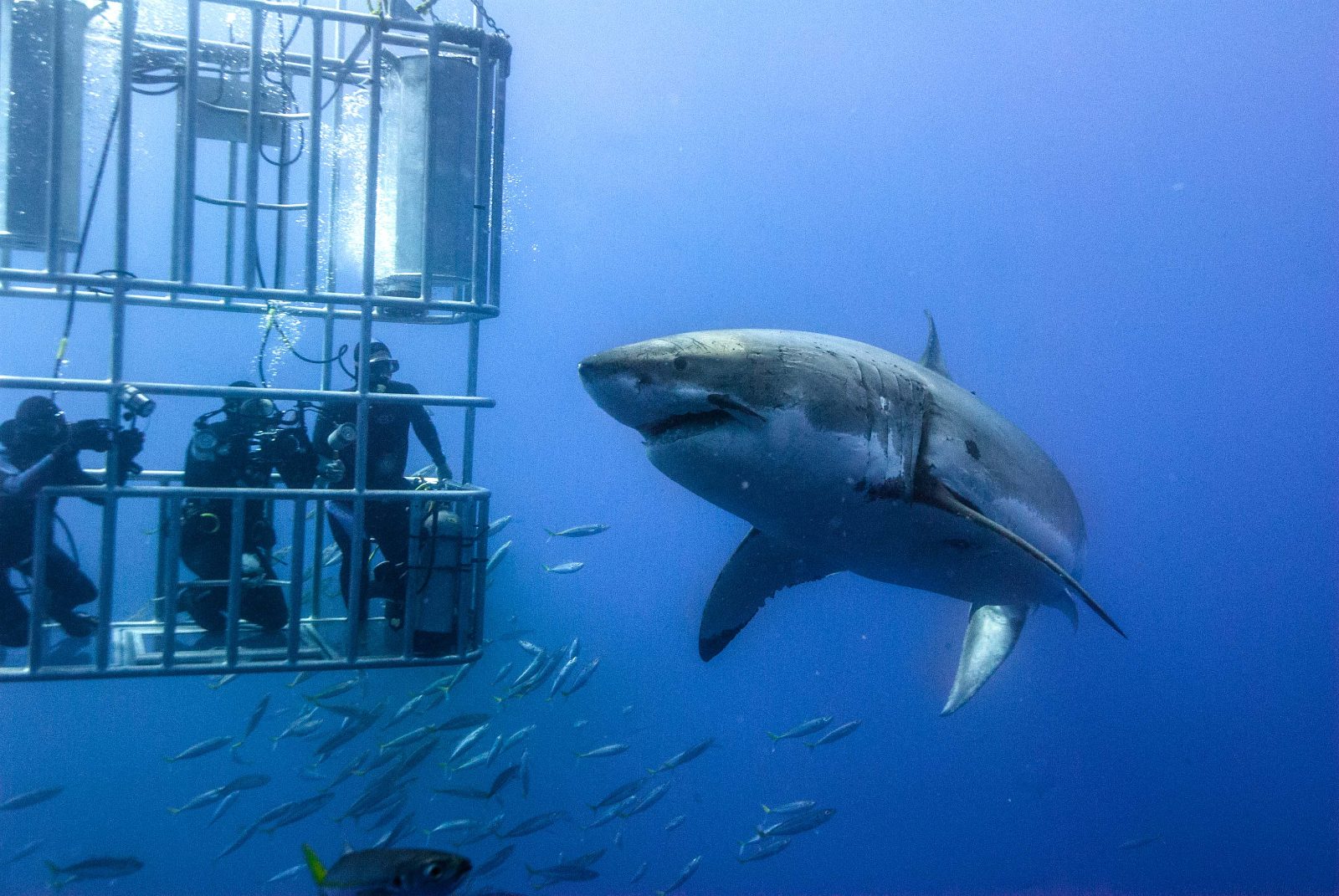
The waters off Gansbaai host one of the densest great white shark populations on Earth, with an estimated 900 individuals patrolling the offshore seal colonies. Unlike aquarium encounters or deep-ocean dives, cage diving here puts you face-to-face with apex predators in their hunting ground, often within arm's reach of the submerged cage. Operators anchor in Shark Alley, a 200-meter channel where nutrient-rich currents create ideal conditions for baitfish, seals, and the sharks that hunt them. You descend in a floating steel cage tethered to the boat, holding your breath for 20- to 30-second intervals while crew members use chum and tuna heads to draw animals close. The entire excursion lasts three to four hours, though actual cage time averages 20 minutes per diver as groups rotate through the single submerged position. Sea conditions dictate visibility and shark behavior. Winter months from June through August bring rougher swells but peak great white activity as juveniles migrate inshore. Summer departures from December to March offer calmer water and clearer visibility, though shark sightings become less predictable as animals disperse across wider feeding territories. Spring and autumn strike a middle ground, with moderate seas and consistent animal presence making them the most reliable seasons for guaranteed encounters. Kleinbaai Harbour sits 170 kilometers from Cape Town via the R43 coastal route. Most operators require check-in 30 minutes before departure, and late arrivals forfeit their slot with no refund. Wetsuits are provided, but the water hovers between 12°C and 16°C year-round, cold enough that even thick neoprene feels inadequate after 15 minutes submerged. Motion sickness is common on the 20-minute boat ride to the dive site, and operators stock anti-nausea tablets for passengers who need them. No diving certification is required, and non-divers can observe from the boat deck at a reduced rate, though most choose the cage once they see the first dorsal fin break the surface.
“The waters off Gansbaai host one of the densest great white shark populations on Earth, with an estimated 900 individuals patrolling the offshore seal colonies.”
Best Time of Year and Day for Shark Cage Diving Near Cape Town
The best time for shark cage diving in Gansbaai is during the early morning hours, as sea conditions are typically at their calmest. Planning your trip between the winter and spring months often provides the most consistent shark activity.
Weekday mornings
Minimal congestion—
Early arrival ensures the smoothest sea conditions before afternoon winds pick up.
Winter (June – August)
Moderate crowdsCool, 15°C–18°C; high chance of swell
Peak season for shark sightings as water temperatures drop and activity increases.
Spring (September – November)
High crowdsMild, 17°C–21°C; variable winds
Increased vessel traffic; spring offers balanced weather and active marine life.
Summer (December – February)
Very high crowdsWarm, 19°C–24°C; potential for strong winds
Peak tourist season requires advance booking; warm water may affect shark behavior.
Verdict: For the highest probability of calm seas and clear visibility, aim for weekday mornings during the winter months of June through August.
Daily Operational Hours for Shark Cage Diving Near Cape Town
Shark cage diving operations in Gansbaai maintain a consistent schedule throughout the week to accommodate visitors. The facility remains open daily to facilitate tour departures.
| Monday | 07:00–18:00 | |
|---|---|---|
| Tuesday | 07:00–18:00 | |
| Wednesday | 07:00–18:00 | |
| Thursday | 07:00–18:00 | |
| Friday | 07:00–18:00 | |
| Saturday | 07:00–18:00 | |
| Sunday | 07:00–18:00 |
Logistics and Directions for Shark Cage Diving Near Cape Town
The departure point for shark cage diving is located at Kleinbaai Harbour in Gansbaai, approximately 160 kilometers southeast of Cape Town. The most direct approach is by car via the R43.
N2 highway to R43 through Hermanus
Private shuttle from Cape Town
Preparation Checklist for Shark Cage Diving Near Cape Town
Complete these steps before your departure to Kleinbaai Harbour.
-
Confirm your booking and departure time — Operators schedule trips around tide and weather, so verify your slot in advance.
-
Bring a valid passport or ID document — Photo identification is required for all participants at check-in.
-
Pack motion-sickness medication if prone to seasickness — The boat ride to the dive site can take 20–30 minutes in open water.
-
Wear warm, layered clothing under your wetsuit — Water temperatures range from 12–16°C year-round, and mornings on deck are cold.
-
Arrange transport to Kleinbaai Harbour by 07:00 — Most operators depart between 07:00 and 08:00 for optimal sea conditions.
-
Leave valuables and non-waterproof items secured on land — Storage space on dive boats is limited and exposed to spray.
Check availability
Common Questions About Shark Cage Diving Near Cape Town
Everything you need to know about shark cage diving near cape town